
















.avif)
.avif)


Home
Lifestyle

Direct-to-consumer (D2C) lifestyle brands have redefined the retail landscape by offering consumers a curated selection of products that resonate with their values and preferences. These brands prioritize authenticity, quality, and convenience. For instance, one notable D2C lifestyle brand specializes in sustainable fashion, producing clothing from eco-friendly materials and advocating for ethical manufacturing practices. Another brand focuses on home decor and furnishings, offering chic and affordable pieces designed to elevate living spaces. Additionally, some D2C companies cater to outdoor enthusiasts, providing high-quality gear and accessories for adventurers seeking both performance and style.
D2C lifestyle brands are important because they eliminate the need for traditional retail middlemen, enabling them to deliver unique and often eco-conscious products directly to consumers. They prioritize product quality, design, and ethical considerations, aligning with the evolving preferences of today's conscious consumers. With their curated offerings and tailored experiences, D2C brands have reshaped the way consumers engage with lifestyle products, making it more convenient and values-driven to enhance various aspects of their lives.
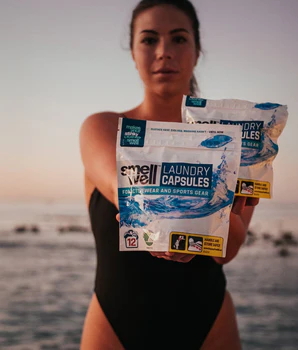
SmellWell creates moisture-absorbing, odor-eliminating pouches designed to keep shoes, gym bags, and sports gear fresh. Infused with a clean fragrance and made from eco-friendly materials, SmellWell offers a convenient and effective solution for active lifestyles.
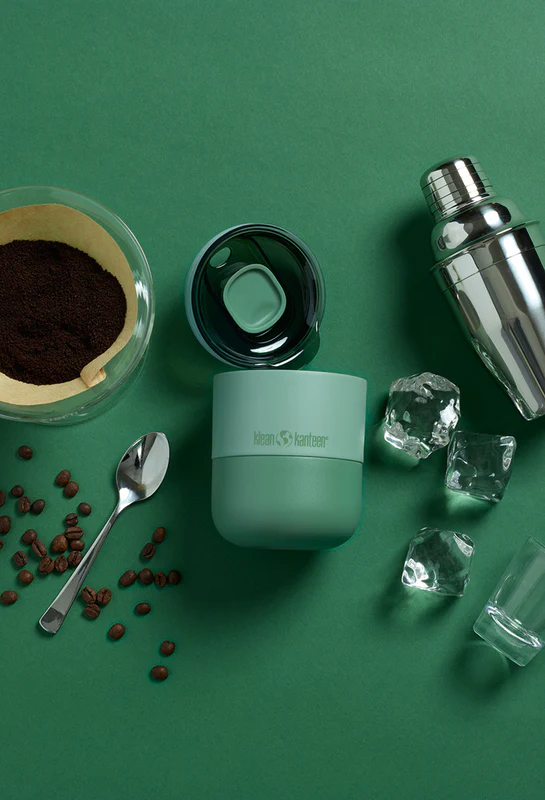
Klean Kanteen is a U.S.-based brand offering reusable water bottles and drinkware. The company designs stainless steel bottles built for durability and sustainability. Their products help reduce reliance on single-use plastic containers. Klean Kanteen centers its mission around eco-conscious hydration solutions.

Fresh Sends is setting out to freshen up the cookie-cutter floral industry. Modern arrangements paired with custom-designed cards delivered directly to your doorstep.

Freewrite builds purpose-driven writing devices that combine the tactile feel of mechanical keyboards with distraction-free interfaces, enabling writers to double their productivity. With cloud syncing via their Postbox service, seamless draft backups, and long-lasting battery life, Freewrite devices like the Traveler and Smart Typewriter cater to novelists, journalists, and creatives. Proudly based in Detroit, the company aims to preserve writing flow in today's digital world

SERHANT. is a New York-based luxury real estate brokerage and media company founded by Ryan Serhant — star of Bravo's Million Dollar Listing New York — built on the belief that real estate is as much about personal brand and storytelling as it is about property. Operating across New York City, the Hamptons, Florida, and beyond, the company combines a full-service brokerage with in-house media production (SERHANT. Studios), AI-powered marketing tools, and education platforms to create the world's most followed and subscribed-to real estate brand. With over 1,000 agents and a growing national presence, SERHANT. is redefining what a modern real estate company looks like.

Naftali Group is a privately owned global real estate development and investment firm with over 35 years of experience and more than $15 billion in total development value across 50+ completed projects in premier cities worldwide. Founded by Miki Naftali, the New York-based firm is known for developing some of Manhattan's most architecturally distinctive luxury residential and commercial properties, collaborating with the world's foremost architects, designers, and hospitality partners. With 31 million square feet of development to its name, Naftali Group also operates Naftali Credit Partners, a real estate debt platform focused on US gateway markets.
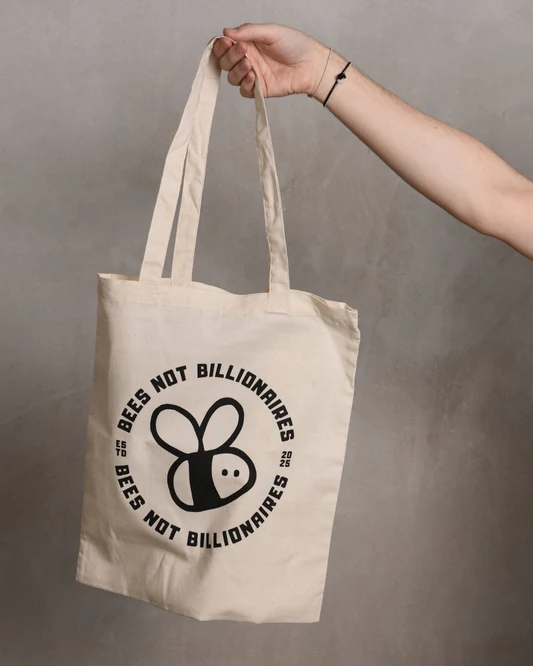
Bees Not Billionaires is a U.S.-based brand focused on sustainability and environmental advocacy. The company supports bee conservation through products and initiatives. Their offerings promote eco-conscious living and awareness. Bees Not Billionaires centers its mission around sustainability and environmental impact.
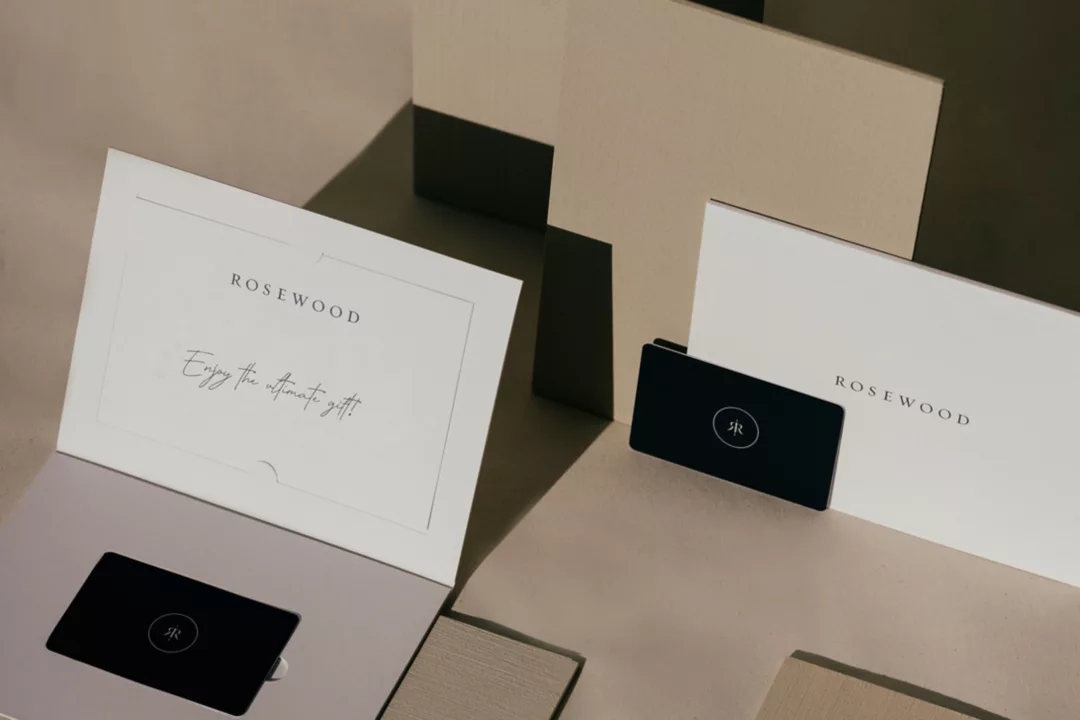
Rosewood Hotels & Resorts is an ultra-luxury global hospitality brand offering a curated collection of distinctive hotels, resorts, and residences in iconic destinations across the Americas, Europe, Asia, the Middle East, and Africa. Known for its "A Sense of Place" philosophy, each Rosewood property is deeply rooted in the cultural heritage and natural landscape of its location, delivering highly personalised, residential-style experiences. Founded in 1979 and headquartered in Hong Kong, Rosewood is privately owned by New World Hospitality and operates over 30 properties worldwide.

99designs is the world's largest online graphic design marketplace, founded in Melbourne in 2008 and now connecting businesses of all sizes with a global community of over one million freelance designers across 192 countries. The platform offers everything from logo and brand identity design to web design, packaging, and illustration, either through competitive design contests or direct one-on-one designer collaboration. Acquired by Vistaprint parent company Cimpress, 99designs continues to serve entrepreneurs, agencies, and enterprises seeking quality creative work at accessible prices.
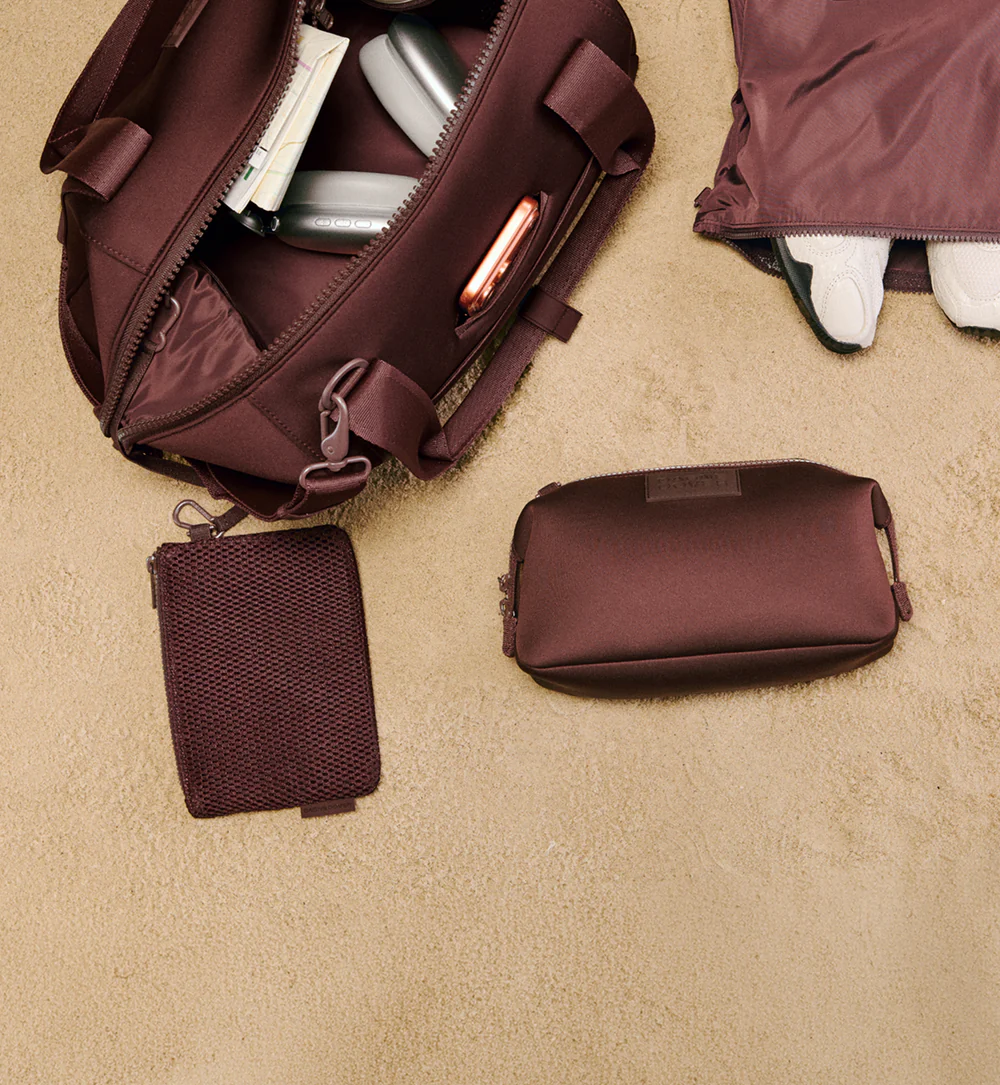
Dagne Dover is a U.S.-based brand offering functional bags and accessories. The company designs products that prioritize organization and everyday convenience. Their collections include backpacks, totes, and travel essentials. Dagne Dover centers its brand around practical and stylish carry solutions.

ONE&ONLY is an ultra-luxury hospitality brand operating a collection of award-winning resort properties and private residences in some of the world's most breathtaking destinations, from Dubai and the Maldives to Rwanda, Greece, and Montana. Part of Kerzner International, each resort is individually designed to reflect its unique location while delivering highly personalized service and world-class dining and wellness experiences. With 14 properties currently open and 10 more in the pipeline, ONE&ONLY continues to set the standard for bespoke luxury travel.

Satechi is a U.S.-based brand offering consumer electronics accessories. The company designs products such as chargers, hubs, and keyboards. Their products focus on functionality and modern design. Satechi centers its offering around enhancing everyday tech use.
A successful Direct-to-Consumer (DTC) lifestyle brand goes beyond merely selling products; it sells an experience, a set of values, and a way of life that resonates deeply with its target audience. Here are key elements that contribute to the success of a DTC lifestyle brand:
Successful DTC lifestyle brands have compelling narratives that connect with their audience on an emotional level. These stories often reflect the brand's mission, values, and the journey of its founders. Authenticity in storytelling helps build trust and loyalty among consumers, making the brand relatable and memorable.
Understanding the brand's target audience is crucial. Successful brands have a clear picture of their ideal customers, including their preferences, challenges, and aspirations. This knowledge enables the brand to tailor its products, messaging, and marketing strategies to meet the specific needs and desires of its audience.
A strong, consistent brand identity across all touchpoints — including product design, packaging, website, and social media — helps reinforce the brand's image and values. Consistency helps in creating a recognizable and cohesive experience for consumers, which is key to building brand recognition and loyalty.
While the lifestyle brand encompasses more than just its products, offering high-quality, innovative products is fundamental. The products should not only meet but exceed customer expectations, delivering on the brand's promises and contributing to the overall lifestyle the brand promotes.
A successful DTC lifestyle brand excels in creating an engaging, seamless online experience for its customers. This includes a visually appealing, easy-to-navigate website, active and engaging social media presence, and effective use of content marketing to communicate the brand's lifestyle and values.
Building a community around the brand is a powerful way to engage customers and foster loyalty. Successful brands often create spaces — both online and offline — for customers to connect, share experiences, and feel part of the brand's broader lifestyle. This sense of belonging can turn customers into brand advocates.
Consumers are increasingly looking for brands that align with their values, particularly regarding sustainability and social responsibility. Successful lifestyle brands often incorporate sustainable practices, ethical sourcing, and give-back programs into their business models, appealing to the conscientious consumer.
Offering personalized or customized products can significantly enhance the customer experience, making consumers feel unique and valued. This level of personalization can differentiate a brand in a crowded market.
Exceptional customer service and a focus on providing a positive customer experience at every touchpoint are essential. This includes everything from the user experience on the website to customer support and the unboxing experience.
Finally, successful DTC lifestyle brands are agile and responsive to market trends, consumer feedback, and data insights. They are continually iterating on their products, marketing strategies, and operations to better serve their customers and stay ahead of the competition.
Everything you need to build a better DTC brand, business and tech stack.


.png)


